Romania: A Color Font for Modern Design
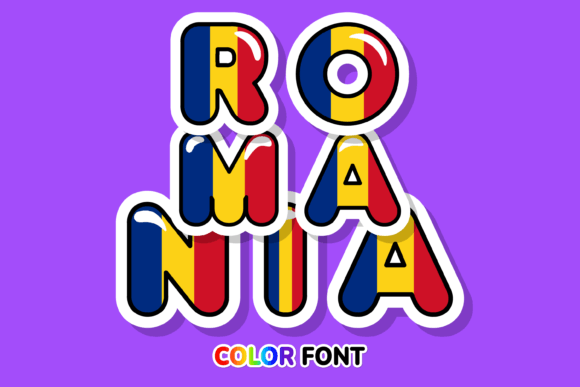
Imagine a design asset that instantly injects national pride, vibrant color, and unique visual texture into your work. This is the promise of the Romania color font, a specialized typeface crafted to embody the blue, yellow, and red of the Romanian flag. For designers, marketers, and creators, it's more than just letters—it's a powerful tool for storytelling and visual impact.
Understanding the Romania Color Font
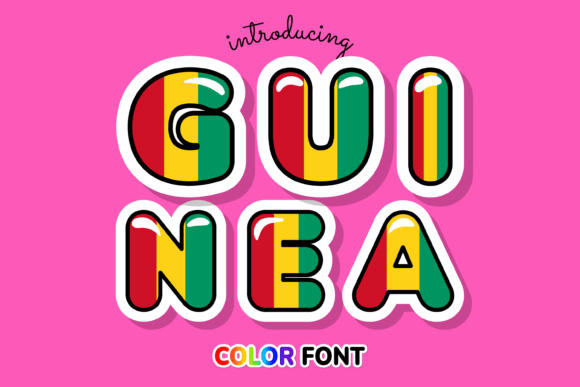
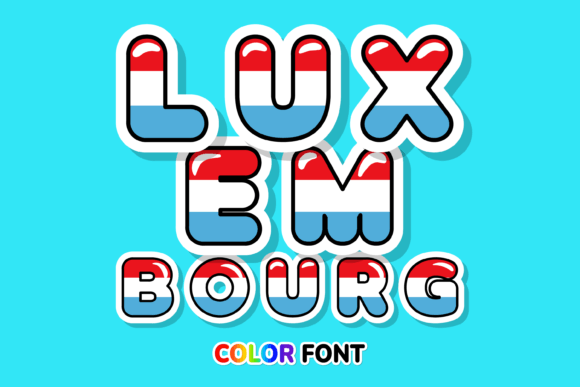
A color font, unlike a traditional monochrome typeface, incorporates multiple colors, gradients, and textures directly into the glyph data. The Romania font leverages this technology to render each character in the iconic tricolor scheme. This means when you type, the output is immediately a cohesive, flag-inspired visual element. It’s a significant asset for any project requiring a distinct national or cultural theme, moving beyond simple colored text to offer a truly integrated design solution.
Practical Applications in Graphic Design
The utility of a themed font like Romania spans across numerous creative and professional domains. Its unique aesthetic can solve specific design challenges where a generic font would fall flat.
- Branding and Logo Design: For businesses, events, or products with a Romanian connection, this font can become a cornerstone of brand identity. It ensures immediate recognition and communicates cultural affinity with clarity and style.
- Marketing and Social Media Graphics: Create scroll-stopping social media posts, event banners, and digital advertisements. The inherent visual interest of the color font boosts engagement and makes content more shareable, especially around national holidays or cultural events.
- Editorial and Packaging Design: In magazine layouts, book covers, or product packaging, the Romania font can be used for headlines, pull quotes, or featured labels. It adds a layer of thematic depth and visual hierarchy that guides the reader's eye.
- Web and UI Design: While best used for headlines or accent text due to readability considerations, it can enhance hero sections, call-to-action buttons, or navigation elements on websites targeting a Romanian audience, contributing to a memorable user experience.
- Presentations and Merchandise: Elevate slide decks for international business pitches or create compelling merchandise like t-shirts, posters, and mugs. The font transforms ordinary items into culturally resonant products.
Tips for Effective Implementation
Integrating a specialized font into your design workflow requires thoughtful consideration to maximize its impact without compromising professionalism.
- Prioritize Context and Audience: Ensure the font’s use aligns with your message and audience expectations. It’s perfect for celebratory, cultural, or tourism-related content but may be less suitable for formal corporate communications unless the context is appropriate.
- Balance with Supporting Elements: Pair the Romania font with clean, neutral sans-serif or serif typefaces for body text. This creates a clear visual hierarchy, allowing the color font to command attention for key headings while maintaining overall readability.
- Test for Scalability and Readability: Always check how the font renders at different sizes, especially for digital applications. Ensure the intricate color details remain clear and legible on both large screens and mobile devices.
- Maintain Brand Consistency: If using it for a brand, define specific rules for its application. Decide whether it’s for primary logos only, headline treatments, or accent elements to build a consistent and recognizable visual identity.
In the evolving landscape of visual communication, the tools we choose speak volumes. Selecting a creative asset like the Romania color font is a deliberate design choice that prioritizes emotional resonance and cultural specificity. By thoughtfully integrating such resources, designers and creators can craft more engaging narratives, strengthen brand identities, and ultimately produce work that is not only visually polished but also deeply connected to its intended audience. Quality typography and considered visual elements are the silent ambassadors of a professional presentation, making every project more effective and memorable.