Luxembourg: A Color Font for Modern Design
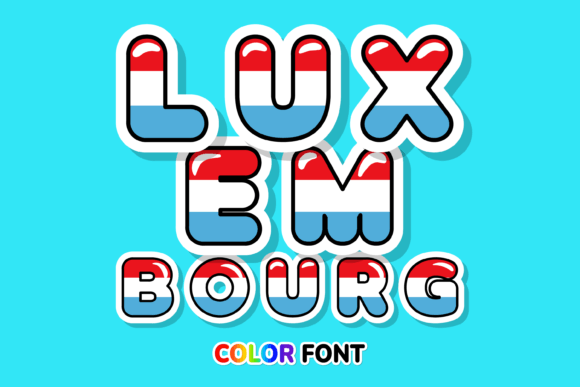
Imagine a typeface that captures the bold spirit of a nation while delivering a vibrant, contemporary aesthetic. The Luxembourg color font achieves exactly that, offering designers a unique tool to inject visual energy and cultural flair into their projects. This isn't just another font; it's a carefully crafted digital asset that translates the iconic tricolor of the Luxembourgian flag into a dynamic typographic system.
In modern graphic design, typography is a cornerstone of visual communication. It does more than convey words; it establishes tone, builds hierarchy, and reinforces brand identity. A specialized color font like Luxembourg moves beyond traditional monochrome typefaces, allowing designers to integrate complex color gradients and patterns directly into text. This capability is invaluable for creating standout branding, engaging social media graphics, and memorable marketing materials where first impressions are critical.
Practical Applications for Visual Impact
The true power of a resource like the Luxembourg font lies in its versatility across creative projects. Its built-in color scheme, inspired by the red, white, and blue of the Luxembourgian flag, provides an instant palette that can unify a design system. Consider its application in these key areas:
- Brand Identity & Logo Design: Use it for logotypes or wordmarks that require a patriotic touch or a bold, multicolored statement without the complexity of manual coloring.
- Digital Marketing & Social Media: Create eye-catching headlines for campaigns, infographics, or Instagram stories that stop the scroll and improve engagement.
- Editorial & Web Design: Apply it to pull quotes, section headers, or interactive elements in UI/UX design to guide the user's eye and add a layer of visual sophistication.
- Packaging & Merchandise: Design labels, apparel graphics, or promotional products where the color font can serve as a central, unifying design element.
For designers working in Silhouette or Inkscape, this font opens up possibilities for custom decals, prints, and DIY crafts. However, it's crucial to note its technical specifications. As an OpenType-SVG color font, it is compatible with professional design software like Adobe Photoshop and Illustrator but not with certain cutting machine software like Cricut. Understanding such compatibility is a key part of an efficient design workflow.
Integrating Specialized Assets into Your Workflow
When selecting any creative asset, from fonts to textures, evaluating its utility within your existing system is paramount. Consistency in branding relies on how well new elements complement established color palettes, imagery, and typographic scales. A color font should enhance, not clash with, your overall visual hierarchy.
Before implementing a font like Luxembourg, consider these practical tips:
- Test for Readability: Ensure the colored text remains legible at various sizes, especially in body copy or on mobile screens.
- Check Scalability: Verify that the font renders cleanly in both large display settings and smaller applications.
- Align with Audience Expectations: The cultural reference to Luxembourg may be perfect for a European client or a travel-themed project but could be less relevant for other contexts.
- Plan for Hierarchy: Use such a distinctive font sparingly for maximum impact, typically for headlines or key phrases, pairing it with a neutral, highly readable font for body text.
Thoughtful design is about making intentional choices that serve a specific goal. Whether you're aiming to strengthen a brand's visual identity, improve user experience in a digital interface, or simply create a more compelling presentation, the assets you choose matter. Quality creative resources like the Luxembourg font provide more than just decoration; they offer solutions for effective communication, helping to bridge the gap between a concept and a polished, professional result that resonates with its intended audience.