Orange Slice: A Vibrant Tool for Playful Visual Design
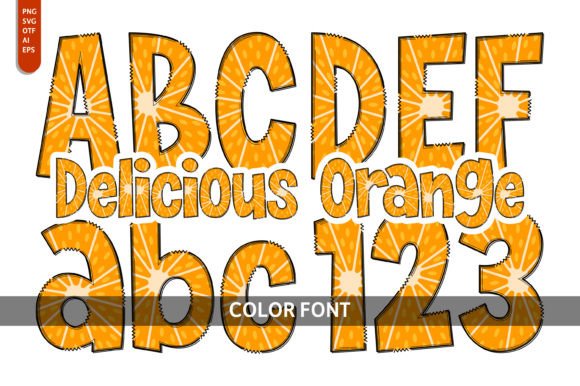
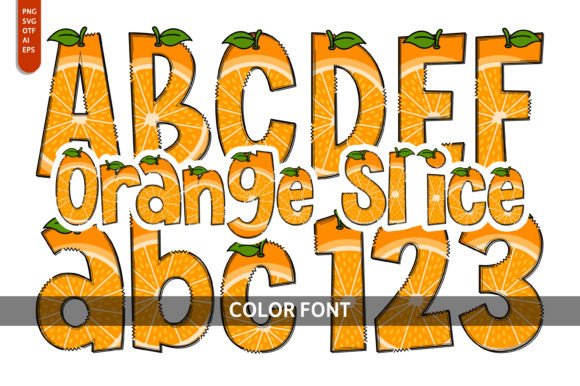
In the ever-evolving landscape of digital design, the right typography can transform a simple message into an unforgettable experience. The Orange Slice font, a distinctive color font, offers designers a unique blend of whimsy and impact. Often used in designs that aim to convey a playful or artistic feel, this typeface is a go-to resource for projects ranging from children’s books and posters to invitations and greeting cards. Its ability to inject personality and vibrancy into a layout makes it a valuable asset for any creative professional looking to break away from conventional, neutral fonts.
Understanding the Technical Foundation
Before diving into creative applications, it's crucial to understand the technical nature of the Orange Slice font. This product is a color font, specifically an OpenType-SVG (Scalable Vector Graphics) file. This format embeds rich visual data, such as gradients, textures, and multiple colors, directly into the font file itself. Unlike standard vector fonts that rely on single-color outlines, an OpenType-SVG font renders like a tiny, scalable image, preserving intricate details and vibrant color palettes.
This distinction is critical for your design workflow. The OTF and/or TTF files of this product are not compatible with Cricut or other cutting machines that require simple vector paths. Instead, Orange Slice is optimized for advanced graphic design software. It is fully compatible with Adobe PhotoShop, Adobe Illustrator, Silhouette Studio, and Inkscape. For designers unfamiliar with this font type, consulting a comprehensive guide on using OpenType-SVG fonts is highly recommended to unlock their full potential and avoid common compatibility issues.
Practical Applications for Modern Creators
The true value of a creative asset like Orange Slice lies in its versatility across various design disciplines. Its playful aesthetic and bold visual presence make it suitable for numerous projects where engagement and emotional connection are paramount. Consider integrating this font into the following areas:
- Branding and Logo Design: For brands targeting a youthful, energetic, or creative audience—such as toy companies, artisan bakeries, or children's educational apps—a custom color font can become the cornerstone of a memorable brand identity.
- Marketing Materials and Advertising: Use it to create eye-catching headlines on posters, flyers, and digital ads. The inherent color and texture eliminate the need for additional effects, streamlining the design process while maximizing visual impact.
- Social Media Content: In a crowded feed, a colorful, textured font for Instagram stories, TikTok thumbnails, or Pinterest graphics can dramatically increase stop-scroll engagement and reinforce brand personality.
- Web and UI Design: While best used sparingly for performance, such fonts are perfect for hero section headlines, call-to-action buttons, or decorative elements in web design that aim to create a joyful user experience (UX).
- Editorial and Packaging Design: In editorial layouts, it can highlight pull quotes or chapter titles. In packaging design, it can make a product stand out on shelves, particularly for items aimed at children or the gift market.
Tips for Effective Implementation
Incorporating a distinctive font like Orange Slice requires strategic thinking to ensure it enhances rather than overwhelms your design. Success hinges on balancing its strong character with fundamental design principles.
- Prioritize Readability and Hierarchy: Due to its decorative nature, use this font for display purposes—headlines, titles, or short phrases—rather than for body text. Ensure sufficient contrast against the background and pair it with a clean, simple sans-serif or serif font for longer copy to maintain a clear visual hierarchy.
- Maintain Brand Consistency: If using it for branding, ensure its playful tone aligns with your overall brand voice and values. It should complement your existing color palette and other visual elements to create a cohesive identity.
- Test Across Platforms: Always preview your designs in the intended environment. Check how the font renders on different screens for digital projects or conduct test prints to verify color accuracy for print design work.
- Respect the Audience: Consider your audience's expectations. A whimsical font may be perfect for a children's book but could undermine the credibility of a formal corporate presentation. Match the tool to the project's goals.
Ultimately, thoughtful design choices are what separate good work from great work. Selecting a quality creative asset like the Orange Slice